
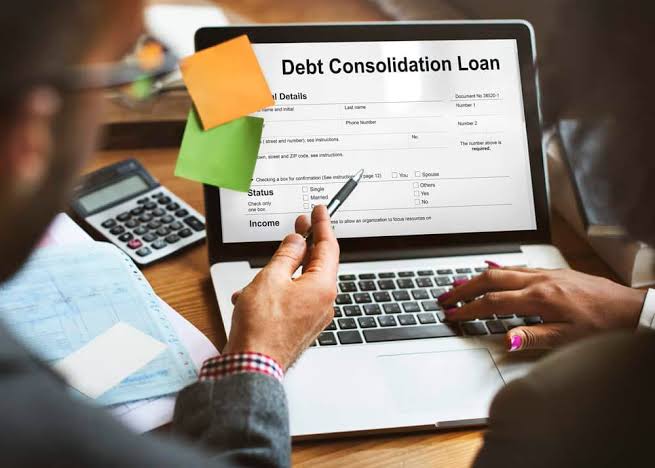
Do You Want To Know If Debt Consolidation Is A Good Way To Get Out Of Debt?
Financial stability is a goal that many aspire to achieve.
However, life often throws unexpected expenses and debts our way, making it challenging to maintain a healthy financial standing.
This is where debt consolidation loans come into play, offering a promising path to financial freedom.
In this article, we will explore the ins and outs of debt consolidation loans, shedding light on how they can help individuals regain control of their finances and ultimately lead them to financial freedom.
Understanding Debt Consolidation
What is Debt Consolidation?
Debt consolidation is a financial strategy that involves taking out a single loan to pay off multiple existing debts.
Instead of juggling various creditors, interest rates, and payment schedules, you consolidate everything into one manageable loan. This approach simplifies your financial obligations and can potentially reduce your overall interest payments.
Types of Debt Consolidation Loans
There are several types of debt consolidation loans available:
1. Personal Loans
Personal loans are unsecured loans that borrowers can use for debt consolidation. They often come with fixed interest rates and repayment terms, making them a popular choice for those looking to streamline their debts.
2. Home Equity Loans
Homeowners can use the equity in their homes to secure a loan for debt consolidation. Home equity loans typically offer lower interest rates and longer repayment terms, making them an attractive option for those with substantial equity in their properties.
3. Balance Transfer Credit Cards
Some credit cards allow you to transfer existing balances onto a new card with a low introductory interest rate. This can be a viable option if you have relatively small debts and can pay them off within the introductory period.
The Benefits of Debt Consolidation
Simplified Finances
One of the most significant advantages of debt consolidation is the simplification of your financial life. Instead of dealing with multiple bills and due dates, you only have one payment to make each month.
Lower Interest Rates
In many cases, debt consolidation loans offer lower interest rates than credit cards or other high-interest debts. This means you can save money in the long run.
Improved Credit Score
Consistently making on-time payments on your consolidation loan can have a positive impact on your credit score. As your credit score improves, you may have access to better financial opportunities in the future.
Reduced Stress
Dealing with debt can be incredibly stressful. Debt consolidation can alleviate this stress by providing a clear path to becoming debt-free.
Is Debt Consolidation Right for You?
Assessing Your Situation
Before diving into debt consolidation, it’s crucial to assess your financial situation. Consider the following questions:
Do you have multiple high-interest debts?
Are you struggling to make minimum payments?
Do you want to simplify your finances?
If you answered yes to these questions, debt consolidation may be a suitable solution for you.
Consultation with a Financial Advisor
It’s advisable to consult with a financial advisor before committing to debt consolidation. They can provide personalized guidance based on your unique financial circumstances.
The Process of Debt Consolidation:
Step 1: Gather Information
Begin by collecting all relevant information about your existing debts, including balances, interest rates, and monthly payments.
Step 2: Research Lenders
Explore different lenders and loan options to find the one that best suits your needs. Compare interest rates, loan terms, and fees.
Step 3: Apply for a Consolidation Loan
Once you’ve chosen a lender, complete the application process. Be prepared to provide financial documentation and undergo a credit check.
Step 4: Repay Your Existing Debts
Once approved, use the funds from your consolidation loan to pay off your existing debts. Ensure that all accounts are settled in full.
Step 5: Manage Your New Loan
Make timely payments on your consolidation loan to maintain your progress toward financial freedom.
FAQs on Debt Consolidation Loans
Will debt consolidation affect my credit score?
Debt consolidation can have a positive impact on your credit score if you make timely payments on your consolidation loan. It shows responsible financial behavior.
What if I can’t qualify for a consolidation loan?
If you don’t qualify for a consolidation loan, you may explore other options such as credit counseling or debt settlement programs.
Are there any risks associated with debt consolidation?
While debt consolidation offers numerous benefits, it’s essential to manage your new loan responsibly to avoid falling back into debt.
How long does it take to become debt-free through consolidation?
The time it takes to become debt-free through consolidation depends on factors like the amount of debt and your repayment plan. It can vary from a few years to a decade or more.
Can I use a debt consolidation loan for any type of debt?
Debt consolidation loans can be used to pay off various types of debts, including credit card debt, personal loans, and medical bills.


