
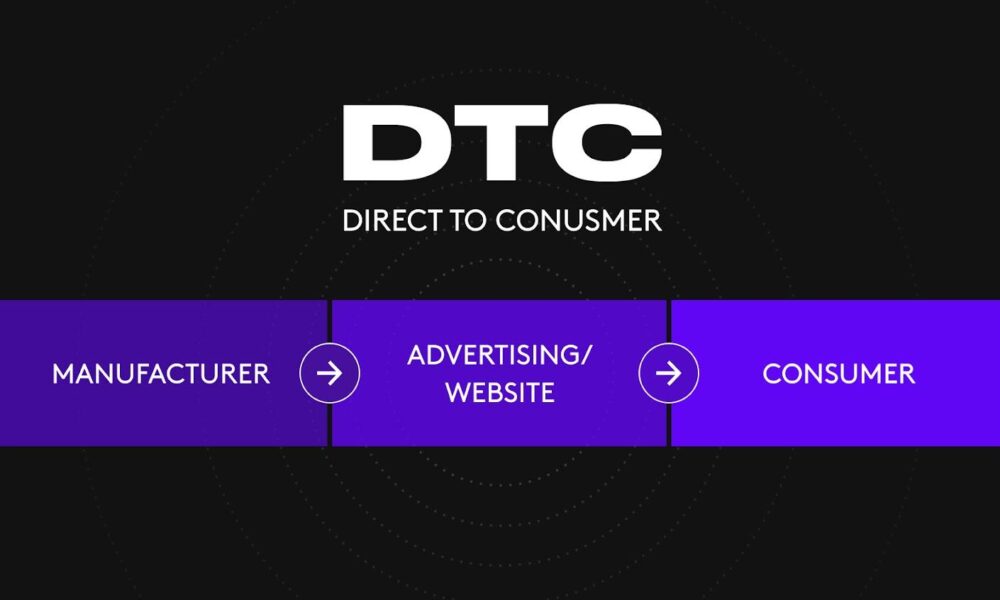

The direct-to-consumer (DTC) business model has changed dramatically over the last few years. In 2026, the brands winning online are not necessarily the biggest — they are the ones building trust, creating strong communities, leveraging AI, and delivering exceptional customer experiences.
Consumers today expect:
- Fast delivery
- Personalized shopping experiences
- Authentic brand stories
- High-quality support
- Seamless mobile checkout
If you want to build a profitable DTC brand in 2026, you need more than just products and ads. You need systems, retention, content, and data.
This guide explains exactly how to build a successful DTC business from scratch in 2026.
What Is a DTC Business?
A DTC (Direct-to-Consumer) business sells products directly to customers without relying heavily on wholesalers or traditional retail stores.
Popular examples include:
- Gymshark
- Allbirds
- Glossier
- Warby Parker
Instead of depending on supermarkets or distributors, DTC brands control:
- Their website
- Customer data
- Marketing
- Fulfillment experience
- Retention strategy
Platforms like Shopify have made launching easier, but scaling profitably is now much harder.
Why DTC Businesses Are Still Growing in 2026
Long-tail keyword: how to build a successful DTC brand in 2026
Even with rising ad costs, DTC remains attractive because:
- Brands own customer relationships
- Profit margins can be higher
- Data collection improves marketing
- AI tools reduce operational costs
According to Statista, global eCommerce sales continue to grow steadily as more consumers shop online first.
Official source: https://www.statista.com
1. Start With a Strong Product Problem
The most successful DTC brands solve a clear problem.
Bad example:
“We sell skincare.”
Better example:
“We help busy professionals reduce acne caused by stress and long work hours.”
Your product should:
- Solve a real problem
- Have strong perceived value
- Be easy to explain quickly
- Create repeat purchase potential
Many failed DTC brands focus too much on branding and not enough on product-market fit.
2. Build a Brand, Not Just a Store
In 2026, branding matters more than ever because consumers are overwhelmed with choices.
Winning DTC brands focus on:
- Storytelling
- Community
- Emotional connection
- Consistency across platforms
Strong branding includes:
- Memorable packaging
- Consistent colors and design
- Unique voice and tone
- Authentic founder story
Consumers buy identity as much as products.
3. Use AI to Reduce Costs and Scale Faster
AI is now one of the biggest advantages for DTC brands.
Use AI for:
- Product descriptions
- Customer support
- Email marketing
- Ad copy generation
- Inventory forecasting
Tools discussed in
https://readalltech.com/top-25-ai-tools-to-boost-productivity-in-2026/
can help automate repetitive tasks and improve efficiency.
AI also helps small teams compete with larger brands.
4. Build an Email & SMS List Immediately
Your email list is one of your most valuable assets.
Why?
Because ad platforms can change overnight, but your email audience belongs to you.
Focus on:
- Welcome sequences
- Abandoned cart emails
- Post-purchase flows
- SMS campaigns
Platforms like Klaviyo and Omnisend remain popular for DTC retention marketing.
Official sites:
5. Prioritize Retention Over Constant Acquisition
Many DTC brands fail because they rely too heavily on paid ads.
Retention is now critical.
Strategies include:
- Loyalty programs
- Subscription models
- Referral incentives
- Excellent customer support
- Fast shipping
Acquiring a new customer is significantly more expensive than keeping an existing one.
6. Focus on UGC and Creator Marketing
Traditional ads are becoming less effective.
Consumers trust:
- TikTok creators
- Micro influencers
- Real customer reviews
- Behind-the-scenes content
UGC (User Generated Content) performs especially well because it feels authentic.
Instead of polished commercials, focus on:
- Product demonstrations
- Honest reactions
- Problem-solving videos
- Lifestyle integration
This is why many successful brands now hire creators before hiring large ad agencies.
7. Optimize Your Website for Conversion
Your store should load fast and feel trustworthy.
Key conversion factors:
- Mobile optimization
- Fast checkout
- Product reviews
- Clear refund policy
- High-quality product images
- Social proof
If your store feels confusing or slow, customers leave instantly.
8. Customer Support Is a Competitive Advantage
Great support increases retention dramatically.
Modern DTC brands now use:
- AI chatbots
- Live chat
- Automated order tracking
- Instant FAQ systems
You can learn more about AI-driven customer service systems in
https://readalltech.com/how-ai-is-transforming-customer-support-in-2026/
Fast responses build trust and reduce refunds.
9. Understand Your Numbers
Many DTC founders focus only on revenue and ignore profitability.
Track:
- CAC (Customer Acquisition Cost)
- AOV (Average Order Value)
- LTV (Lifetime Value)
- Profit margins
- Repeat purchase rate
A business doing $100k/month can still lose money if margins are weak.
10. Build for Long-Term Trust
Consumers in 2026 are more skeptical than ever.
Trust signals matter:
- Honest reviews
- Transparent shipping times
- Real customer photos
- Clear communication
- Consistent quality
The strongest DTC brands think long-term rather than chasing short-term viral growth.
Common Mistakes That Kill DTC Brands
Avoid:
- Copying trending products blindly
- Depending only on Facebook ads
- Ignoring retention
- Poor shipping experience
- Weak customer support
- Overcomplicated branding
Simplicity and consistency usually outperform hype.
Final Thoughts
Building a successful DTC business in 2026 requires more than good products.
The brands winning today combine:
- Strong branding
- Smart retention systems
- AI automation
- Community building
- Great customer experience
DTC is still one of the best business models for entrepreneurs willing to play the long game.
FAQs
Is DTC still profitable in 2026?
Yes. Despite higher advertising costs, strong brands with retention systems and loyal communities remain highly profitable.
What platform is best for starting a DTC business?
Shopify remains the most popular option because of its ease of use and integrations.
How much money do I need to start a DTC brand?
It depends on your product, but many successful brands start with under $5,000.
Is AI important for DTC businesses now?
Absolutely. AI helps reduce costs, automate tasks, and improve marketing performance.
What is the biggest mistake new DTC brands make?
Focusing only on customer acquisition while ignoring retention and customer experience.


