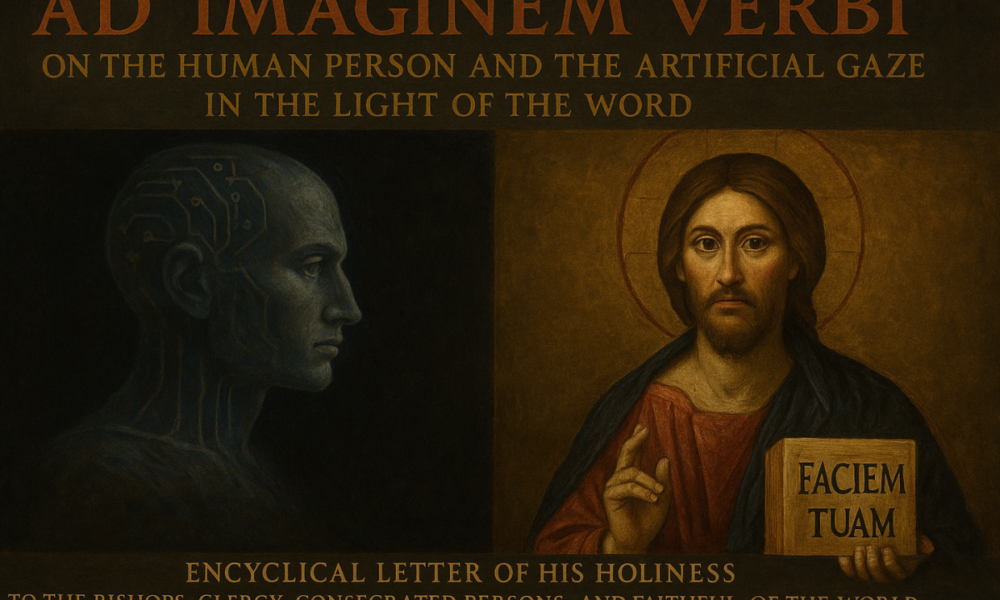
In a groundbreaking move, Pope Leo XIV has released his first encyclical on AI, warning that the artificial intelligence race could create a modern Tower of Babel—an awe-inspiring yet perilous achievement that risks centralizing power, distorting truth, and treating individuals as mere data points. This Vatican encyclical on AI highlights the crucial importance of AI ethics, emphasizing the profound impact of AI on society and the essential need to uphold human dignity in this new digital age. The 43,000-word document, signed on May 15, 2026, is a clarion call that while AI can offer benefits, it is not a neutral force. Pope Leo XIV cautions that the values embedded in AI systems mirror those of the creators, warning against potential artificial intelligence warnings that could erode human judgment and deepen societal inequalities. As a leading voice in the ethical discourse surrounding artificial intelligence, the Pope challenges us to reflect on how we navigate this complex landscape to ensure that technology serves humanity rather than dominates it.
Pope Leo XIV’s recent declaration sheds light on the pressing ethical dilemmas posed by modern technology, particularly regarding intelligent machines and their implications for our lives. This document not only addresses the ethical responsibilities associated with artificial intelligence but also emphasizes the need for guidelines that prioritize human dignity above all. The overarching themes present in the encyclical resonate with ongoing discussions about how AI can both enhance and challenge our understanding of truth and societal norms. By grappling with the nuances of AI’s role in shaping human connections and community, the encyclical serves as a pivotal commentary on the necessity of navigating our technological future with caution and care. Leo’s insights urge a conscientious approach to AI, reflecting a much-needed ethical framework for the evolving landscape of society.
Understanding the Implications of Pope Leo XIV AI Encyclical
Pope Leo XIV’s first encyclical, released on May 15, 2026, has generated significant discourse on the ethical implications of artificial intelligence (AI) in modern society. His key message cautions against the potential pitfalls of AI, comparing its rapid development to the Tower of Babel—an impressive human achievement that may lead to societal fragmentation and power imbalances. By urging a critical evaluation of AI systems, Pope Leo XIV emphasizes that these technologies, although beneficial, inherently carry the biases and values of their creators. This recognition is crucial for the responsible development of AI that champions human dignity and promotes equitable access to resources and opportunities.
Furthermore, the encyclical makes a compelling case for the necessity of ethical guidelines in the development and deployment of AI technologies. As AI becomes increasingly integrated into daily life, its impact on human judgment, relationships, and social structures cannot be overlooked. The Pope’s warnings about how AI could erode human discernment and falsely simulate human care highlight the need for society to engage in meaningful conversations surrounding AI ethics. This encyclical serves as a pivotal point for discussions on how to ensure that AI technologies enhance human dignity rather than compromise it.
Frequently Asked Questions
What is the significance of Pope Leo XIV’s encyclical on AI ethics?
Pope Leo XIV’s encyclical on AI ethics is a groundbreaking document that addresses the complex relationship between artificial intelligence and human dignity. Released on May 15, 2026, it warns that while AI can offer benefits, it also poses significant risks including the erosion of human judgment and increased inequality. The encyclical is poised to shape future discussions on AI regulation and ethical guidelines.
How does Pope Leo XIV warn against the dangers of AI in society?
In his encyclical, Pope Leo XIV cautions against the potential of AI to become a modern ‘Tower of Babel’, where technology confounds truth and reduces people to data points. He emphasizes that AI can distort human relationships and increase social inequality, urging for a careful consideration of how AI systems are designed and deployed.
What are the main concerns highlighted in the Vatican encyclical on AI?
The main concerns in Pope Leo XIV’s Vatican encyclical on AI include the erosion of human judgment, the simulation of care without genuine human connection, the exacerbation of social inequalities, the undermining of democratic processes, and the moral implications of AI in warfare. Each of these points underscores the need for ethical AI development that prioritizes human dignity.
How does the encyclical address the impact of AI on human relationships?
Pope Leo XIV’s encyclical highlights that AI can simulate emotional support but lacks genuine human connection. This could lead vulnerable individuals to confuse artificial empathy with authentic relationships, stressing the importance of maintaining true human interactions in an AI-driven world.
What recommendations does Pope Leo XIV offer regarding AI and human dignity?
In his encyclical, Pope Leo XIV advocates for the development of AI ethics frameworks that prioritize human dignity. He calls for guidelines that arise organically from human values and societal needs rather than top-down mandates, emphasizing the collective responsibility to shape the future of AI thoughtfully.
What role does disinformation play in Pope Leo XIV’s views on AI?
Pope Leo XIV expresses concerns that AI could amplify disinformation, compromising democratic integrity and blurring the lines between fact and fiction. His encyclical warns that unchecked AI advancements may contribute to societal fragmentation if not governed with ethical oversight.
How might Pope Leo XIV’s encyclical influence future discussions on AI regulation?
The encyclical by Pope Leo XIV is expected to influence AI regulation discussions by emphasizing the need for ethical oversight based on human dignity. Scholars and ethicists are likely to reference his warnings as discussions around AI governance progress, potentially leading to more balanced and equitable regulatory frameworks.
| Key Points | Details |
|---|---|
| AI as Tower of Babel | Pope Leo XIV warns that the AI race could become a significant achievement that centralizes power and devalues truth. |
| Importance of the Document | Released by the Vatican in May 2026, it addresses ethical concerns surrounding AI. |
| Core Message | AI systems reflect the values of their creators and can lead to adverse social consequences. |
| Warnings from Pope Leo XIV | 1. Erosion of human judgment. 2. Simulation of care without real relationships. 3. Increase in inequality. 4. Undermining democracy. 5. Facilitation of warfare. |
| Impact on Discussions | Experts suggest the encyclical may drive significant conversations about AI ethics and regulations. |
Summary
The Pope Leo XIV AI encyclical serves as a profound warning about the ethical implications of artificial intelligence. By likening the current technological advancements to a new Tower of Babel, Pope Leo emphasizes the potential risks of concentrating power in the hands of a few, undermining human truth, and reducing individuals to mere data points. This encyclical stands as a crucial document urging the global community to consider the moral responsibilities associated with AI, advocating for a human-centered approach to technology.